

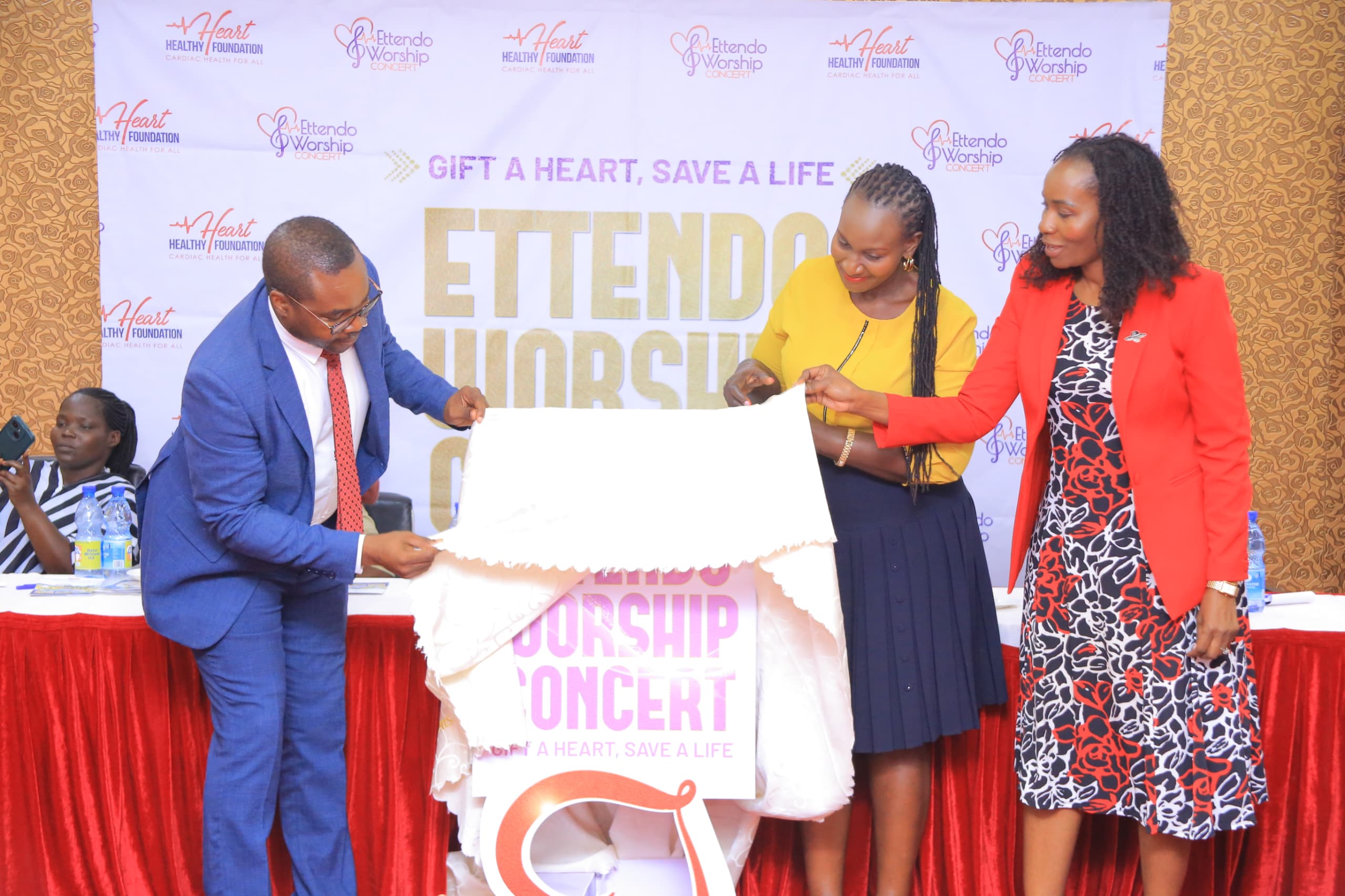
The Healthy Heart Foundation has launched a fundraising campaign to support children recovering from congenital heart surgery, warning that many young patients continue to face life-threatening challenges long after successful operations.
Speaking at the launch of the Etendo Worship fundraising concert in Kampala, the foundation’s co-founder, Rita Namyalo Waggwa, said there is a widespread misconception that heart surgery marks the end of treatment for children born with heart defects.
“Many people think once a child undergoes heart surgery, the journey ends there. In reality, the operation is only the beginning of recovery,” Ms Waggwa said.
She explained that after surgery, many children require repeat prescriptions, frequent medical reviews—often every three months—and in some cases, emergency readmissions due to complications such as fluid build-up in the lungs and breathing difficulties.
“These children need close monitoring. It is a very difficult and expensive journey for parents to manage on their own,” she said.
Ms Waggwa revealed that the foundation has in the past lost children after surgery, not because the operations failed, but due to lack of funds for post-surgery care.
She cited cases where parents delayed returning children to hospital because they could not afford transport or treatment costs.
“The initiative seeks to address the gap in post-surgical care, particularly for vulnerable families,” Ms Waggwa said.
She noted that many mothers of children with congenital heart disease are advised to stop working to care for their babies, a situation that often leads to financial hardship.
In some cases, fathers abandon the family, leaving mothers isolated and unsupported.
“There is also stigma in communities, with some people believing these children are cursed or victims of witchcraft. This makes it even harder for mothers to seek help,” she added.
According to paediatric heart specialist Dr Andrew Ssekitoleko from Nsambya Hospital, about 16,000 children are born each year in Uganda with congenital heart defects, and nearly half require surgery before six months of age.
Dr Ssekitoleko said early detection remains a challenge, as some parents ignore symptoms in their newborns.
“Some children are born with hearts that have not fully developed. They may appear blue, breathe fast, have swollen limbs, or fail to grow normally,” he said.
He added that while maternal diabetes, infections during pregnancy, or alcohol use can increase risk, many cases have no clear cause.
Heart surgery in Uganda costs about Shs30 million per procedure, and with only one specialised centre capable of performing such operations, access remains limited.
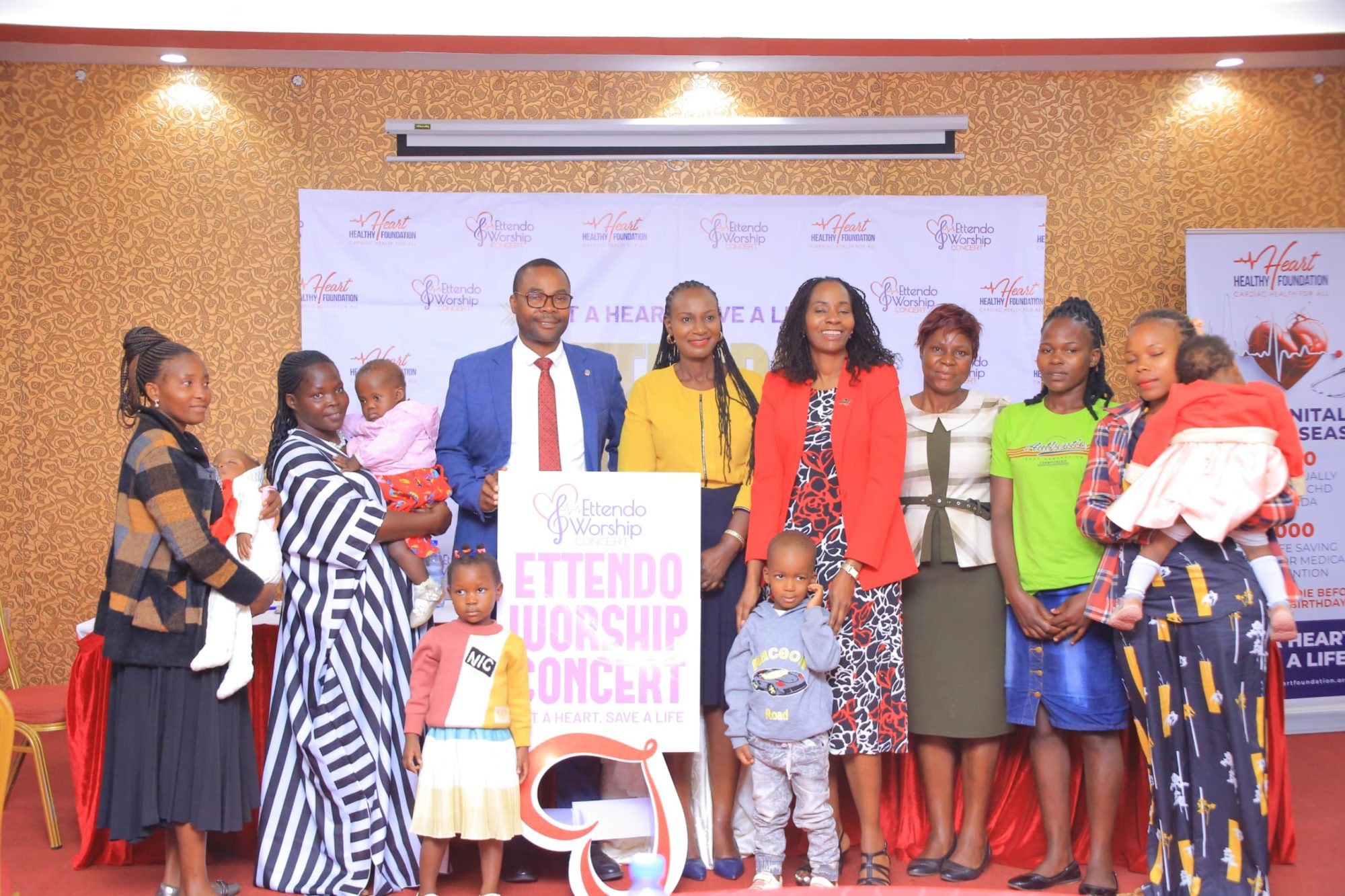
Through partnerships with Rotary clubs in Uganda and India, the Indian Association of Uganda, and other organisations, the Healthy Heart Foundation has supported heart surgeries for about 50 children since 2024.
The foundation plans to assist up to 100 children through these partnerships.
However, Ms Waggwa emphasised that all children returning to Uganda after surgery require sustained support.
To raise funds and awareness, the foundation will hold the Etendo Worship concert on March 27, 2026, at Hotel Africana in Kampala. The multi-denominational event will feature choirs and gospel artists from different faiths, with the Catholic Church in Uganda as the guest of honour.
Ms Waggwa called on the public, media, and institutions to support the initiative, stressing that post-surgery care is critical to ensuring children fully recover and live healthy lives.
“Every contribution helps. Supporting these children after surgery can be the difference between life and death,” she said.
